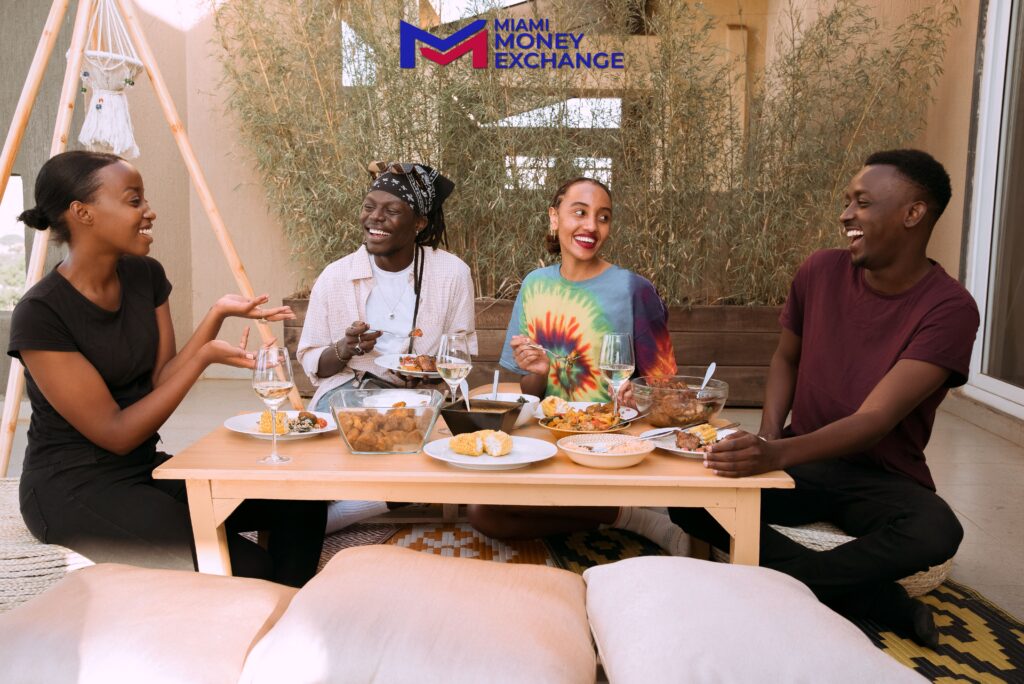
For years, tourists arriving in Miami during big events made the same mistake with food: they went to expensive restaurants in tourist zones. They paid inflated prices for mediocre food and left thinking they’d experienced “Miami.”
It made sense. It was easy. It was obvious.
But the context changed. And the smart fans moved first, discovering where the locals actually eat.
Today, during the 2026 World Cup, there’s a different group of fans: those who taste authentic Miami food without paying tourist prices. And no, it’s not because they’re richer. It’s because they know where to go.
The Change Started When Locals Stopped Keeping Their Secrets
For years, Miami had two food cities: one for tourists and one for locals. The tourist restaurants in South Beach and Downtown offered diluted versions of the real thing. The locals ate somewhere completely different.
That separation worked as long as tourists didn’t notice. Today it’s not that clear anymore. Smart fans discovered that the best food in Miami is where Cubans, Colombians, and Venezuelans eat. Not in restaurants with ocean views.
The 3 Foods You Need to Try (Where the Locals Really Eat)
Authentic Cuban Food: It’s Not What You Think
Tourists go to “famous” Cuban restaurants in South Beach and pay like they’re in an exclusive place. But authentic Cuban food is eaten in Little Havana, in restaurants without air conditioning, where you see Cuban grandmothers cooking.
Order a ropa vieja or roasted pork, eat with the locals. The price is a quarter of what you’d pay in a tourist zone, and the food is genuine.
Fans who understand this arrive hungry in Miami and leave satisfied. The others leave broke.
Colombian Food: The Best Kept Secret
There’s a neighborhood in Miami—not the most glamorous, not in the main tourist guides—where Colombian food is as authentic as Bogotá.
Arepas, bandeja paisa, sancocho. Food that actually feeds you. Restaurants where workers, families, people who live here eat. It’s not pretentious. It’s real.
Locals go there because it’s good and it’s cheap. Tourists don’t go because they don’t know it exists.
Venezuelan Food: What Tourists Never Find
Venezuela has sent thousands of migrants to Miami. The food came with them. And today, Venezuelan arepas made in small stands are some of the best in the city.
Don’t look for a fancy restaurant. Look for a small stand in Wynwood or in the Buena Vista neighborhood. Try an arepa with cheese, meat, or chicken. It costs what a beer costs in South Beach.
Locals eat there all the time. Tourists never discover these places.
This is Where Miami Money Exchange Comes In
There’s an important detail most tourists don’t understand: most of these authentic places where locals eat prefer cash. Many don’t even take cards.
This isn’t a problem. It’s an advantage. Because if you arrive in Miami with real money in your pocket—cash exchanged before you travel at fair rates—you can walk into any local restaurant without worrying. You pay, eat authentic, and leave knowing you spent what’s right.
Fans who arrive with cash from Miami Money Exchange have an advantage: they can access all of Miami’s authentic food without limitations. Those who depend on their card get trapped in tourist restaurants that accept it.
Cash isn’t just money. It’s access to the real Miami.
Understanding This Before You Travel Makes the Difference
Expensive food in tourist zones is still the norm for most fans. And precisely because of that, those who seek authenticity genuinely enjoy themselves.
When everyone discovers where locals really eat in Miami, those places will change. They’ll get more expensive, less authentic. The difference is in when you find out.
Understanding the real geography of food in Miami isn’t about following a trend. It’s about genuine experience versus marketing tourism.
Your Trip is What You Eat
During the World Cup, your best memories won’t be the fancy restaurants where you overpaid. They’ll be the authentic meals where you tasted the real city, where you ate what locals eat, where you spent less and enjoyed more.
Come to Miami. Find Little Havana. Search out the Colombian neighborhoods. Try Venezuelan arepas. Eat like the locals eat.
That’s Miami. Everything else is tourism.